Sunday, April 5, 2026
No menu items!
Home Blog Page 6

75 Best Albums of 1975

Reggae Fam—

Alright, listen up, reggae heads—Rolling Stone just dropped their 75 Best Albums of 1975, and guess what? Five reggae albums made the cut. Yeah, five. Not tucked away at the bottom either—some of these names are way up there. For a list that’s usually stacked wall-to-wall with rock and soul heavyweights, this is a big deal.

Let’s start with the one that made me do a double take:

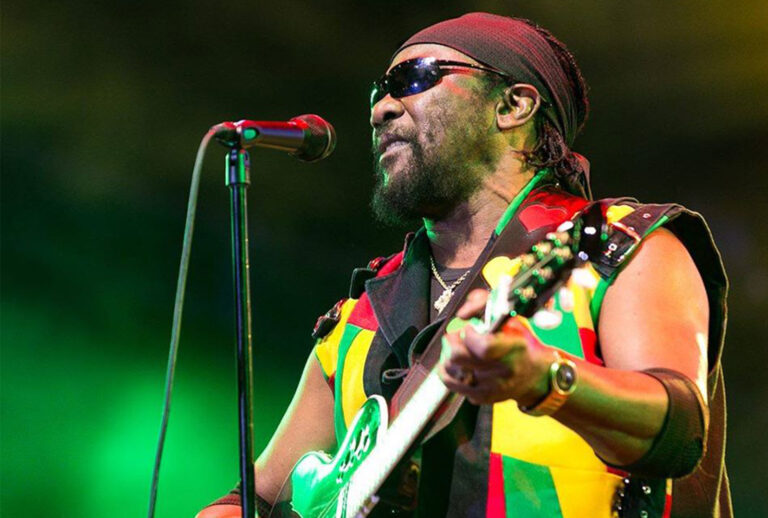
Toots and the Maytals at number 6
🎧 Funky Kingston on Spotify
You heard me. Number six. And rightfully so. That album is pure energy—Toots Hibbert basically invented the reggae-soul hybrid before anyone else could even name it. It’s one of those records that hits just as hard now as it did 50 years ago.

Then we got Bob Marley and the Wailers landing at number 18
🎥 No Woman, No Cry (Live at the Lyceum) – watch it here:

That version of the song? That whole live set? Iconic. It’s the moment Marley turned into the global voice of reggae. That crowd at the Lyceum knew they were witnessing something serious, and now Rolling Stone’s showing respect.

Burning Spear’s Marcus Garvey at number 21
🎧 Listen on Spotify
This record isn’t just music—it’s a statement. Heavy, spiritual, unapologetically Rasta. When Winston Rodney chants “no one remember old Marcus Garvey,” it’s like a wake-up call across generations.

Lee “Scratch” Perry at number 50 with Kung Fu Meets the Dragon
🎧 Listen on Spotify
This one’s a dub journey, pure Upsetter madness, and total genius. Lee Perry wasn’t just ahead of his time—he was living in his own dimension. For Rolling Stone to even try and wrap their heads around this album says a lot.

And rounding it out: yes, five reggae albums total. That fifth one? Still under wraps ‘til the full digital issue drops, but it’s in there. (My money’s still on The Mighty Diamonds.)

The point is: reggae didn’t just survive the 70s—it defined it. And in 1975, it wasn’t in the shadows—it was right there, standing strong alongside Springsteen, Fleetwood Mac, and Bowie.

So to all my reggae lovers out there—this is a win. Not just for nostalgia, but for legacy. For culture. For the music that’s always had something to say and a riddim to move to.

Pull up your favorite track from Marcus Garvey or let Funky Kingston ride out in the background—this list just gave us a reason to celebrate the year reggae officially earned its spot in the global canon.

One love.
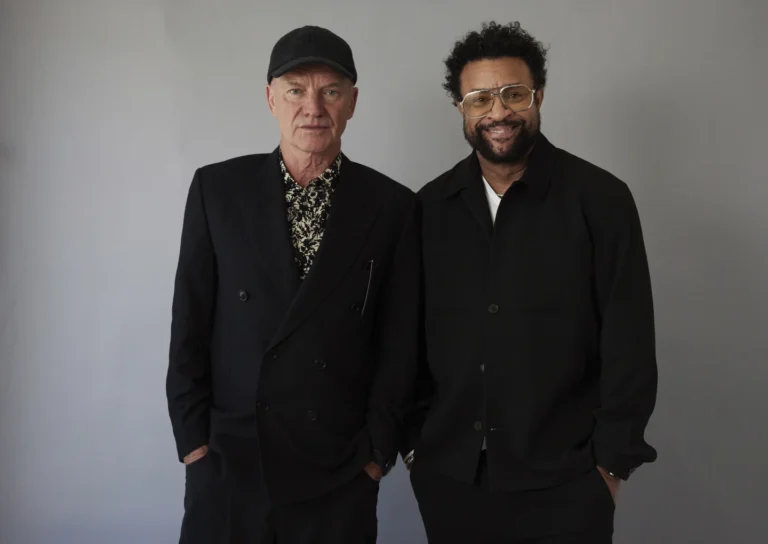

Shaggy & Sting: The Unlikely Duo That Keeps Making It Work

When Shaggy and Sting first announced a collaboration in 2018, most people did a double take. One was a British rock legend known for brooding lyrics and jazz influences. The other, a dancehall icon famous for turning up any room he walks into. On paper, it made no sense. But in practice? It worked.

Their first joint project, 44/876—named after the country codes for the UK and Jamaica—won a Grammy for Best Reggae Album. The vibe was easygoing, the songs were catchy, and the chemistry was undeniable. Shaggy brought the bounce, Sting brought the melody, and together they hit a groove somewhere between reggae, pop, and island soul.

Since then, the duo hasn’t let up. They’ve toured the world, played packed festivals, and even released a Christmas album (Christmas in the Islands, 2021) that somehow didn’t feel cheesy. It felt like two artists genuinely enjoying the ride.

What makes this pairing work isn’t nostalgia or novelty. It’s chemistry, craft, and the simple fact that these two legends genuinely like making music together. And Til A Mawnin proves they’re still having fun doing it.

Now in 2025, they’ve dropped a new single, Til A Mawnin, and it’s more of that same magic. A relaxed, reggae-soaked beat. Sting’s smooth vocal lines. Shaggy doing what only he can do. It’s not trying to be a hit—it just is one.

  • Shaggy and Sting dropped another one—and somehow it still works. Til A Mawnin is smooth, unexpected, and proof that this unlikely duo still got it.
  • More from the diabolical duo

Habanero vs. Scotch Bonnet: The Heat and Flavor Behind Jamaican Cuisine

0

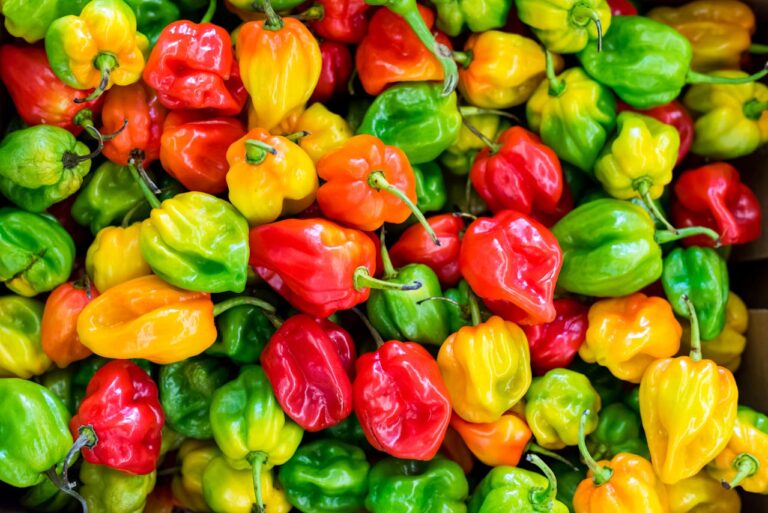
If you’ve ever had a proper Jamaican meal, chances are you’ve tasted the fire of a habanero or scotch bonnet pepper. These peppers aren’t just about heat—they’re about flavor, tradition, and identity. But while they’re often confused, habanero and scotch bonnet peppers have key differences that matter, especially in Jamaican cooking.

Habanero vs. Scotch Bonnet: What’s the Difference?

Both peppers pack serious heat—usually between 100,000 and 350,000 Scoville Heat Units (SHU). But the flavor is where things change. Habaneros have a sharp, citrusy, almost bitter edge. Scotch bonnets? They bring the heat too, but with a sweeter, fruitier flavor—think of it like comparing lemon to mango. That sweetness makes the scotch bonnet the go-to in Caribbean kitchens, especially in Jamaica.

Another difference is the shape. Habaneros tend to be longer and more lantern-shaped, while scotch bonnets are squat and round with a little bonnet-like top—hence the name.

How Jamaicans Use These Peppers

In Jamaican cooking, scotch bonnet is king. It’s used in just about everything that needs heat and depth. It’s not just for burning your mouth—it’s about layering flavor.

We’ll throw it into rice and peas for a subtle kick, blend it into marinades for jerk seasoning, and use it whole in soups and stews to infuse flavor without making the dish too spicy. It’s common to pierce the pepper and drop it into the pot whole—then take it out before serving. That way, you get the aroma and taste without lighting everyone on fire.

Favorite Dishes That Need the Heat

Some Jamaican dishes just wouldn’t hit the same without scotch bonnet or habanero:

  • Jerk Chicken or pork – The marinade needs that heat and sweet edge.
  • Pepper shrimp – Street food favorite, made fiery with crushed peppers.
  • Brown Stew Chicken – The scotch bonnet cuts through the richness.
  • Curried Goat – A few slices of pepper in the pot make a big difference.
  • Fish tea or mannish water – A whole scotch bonnet goes in for flavor.

Health Benefits of Hot Peppers

Aside from flavor, hot peppers are good for you too. They’re rich in vitamin C, which boosts your immune system, and capsaicin, the compound that brings the heat. Capsaicin is known to reduce inflammation, aid metabolism, and may even help with pain relief. Peppers are also packed with antioxidants that support heart health and fight off free radicals.

So, whether you’re tossing one in a pot of rice and peas or blending it into a fiery sauce, know this: you’re not just adding spice—you’re adding culture, flavor, and a little bit of wellness too.

Check this out:

To add some spice and zest to your next Caribbean inspired meal, try adding a dash or two of Grace Hot Pepper Sauce. You can thank me later.

Luminous Lagoon: Where the Water Glows and You Pretend You’re in a Fantasy Movie

0

Some places you visit for the views. Others for the food. But the Luminous Lagoon in Falmouth, Jamaica? You go there to make your hands glow like a Marvel superhero and question reality a little bit.

Let’s break it down:
This place is one of only a few spots in the world where the water literally lights up when touched. It’s called bioluminescence, but don’t worry, we won’t go full science class here. Just know this: when your boat glides through the water or you splash around, the lagoon sparkles like it’s got fairy dust in it.


So… why is the water glowing?

Tiny organisms—called dinoflagellates—live where the saltwater meets freshwater near the coast. When disturbed, they light up. It’s their defense mechanism. Kind of like when someone startles you and you yell, but prettier.

Best time to go? Nighttime, obviously. The darker, the better. Bonus points if there’s no moon. It’s like swimming in a pool of stardust.


Fun Facts (That Will Make You Sound Smart on the Tour)

  • Falmouth’s lagoon is one of the brightest in the world.
  • It’s believed that only four places on Earth have this kind of glow.
  • The water’s shallow—about 3 to 5 feet—so yes, you can hop in.
  • Tour guides often splash the water or stir it with sticks to create extra sparkle (and “oohs” from tourists).

A Touch of Legend… Because This Is Jamaica After All

There’s a rumor—call it folklore—that the bioluminescence is tied to the same ancient energy surrounding the Martha Brae River. Locals have connected this glowing water with old Arawak legends and spirits that still “light the way” for the living.

Are the dinoflagellates science? Yes.
Is there still a chance this is magic? Also yes.


Pro Tips from a (Very Enthusiastic) Blogger:

  • Wear a dark swimsuit—it looks cooler when it lights up.
  • Bring a waterproof phone case if you’re brave enough to film the glow.
  • Don’t expect perfect Instagram shots. Your camera probably won’t capture it the way your eyes will. It’s okay. Live a little.
  • Some boats offer drinks—sparkling water has never felt so appropriate.
  • You will hear someone say “Are we glowing yet?” within the first 3 minutes.

Final Thought:

The Luminous Lagoon isn’t a thrill ride or a packed beach party. It’s calm, strange, beautiful—and a little bit surreal. You’ll leave glowing (literally, if you jumped in), maybe with salt in your hair and wonder in your head.

And hey—how often do you get to say “I swam in water that lit up just for me”?


Why Falmouth, Jamaica Should Be on Your Travel Radar


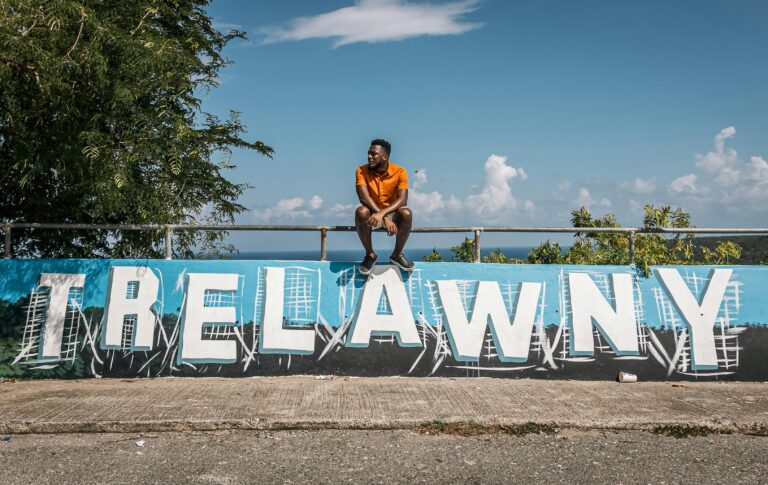
Jamaica’s coastline is full of gems, but Falmouth stands out with its rich history, vibrant street food, and natural wonders. This charming port town in Trelawny Parish has more to offer than meets the eye—think glowing waters, bamboo rafting, and world-famous athletes.

A Town That Was Ahead of Its Time

Back in the 1800s, Falmouth was one of the most advanced towns in the Western Hemisphere. Believe it or not, it had piped water before New York City. It was a major exporter of sugar and rum, and its streets still show off some of the best-preserved Georgian architecture in the Caribbean.

Home of Legends

This little town has produced some big talent:

  • Usain Bolt, the fastest man in the world, comes from nearby Sherwood Content and is a local legend.
  • Ben Johnson, another elite sprinter, was born right here in Falmouth.
  • Albert Huie, considered the father of Jamaican painting, also called Falmouth home.

Street Food Goals

Come hungry. Falmouth is known for bold flavors, especially:

  • Jerk Chicken and pork cooked over pimento wood.
  • Pepper shrimp, a spicy roadside snack served in plastic bags and full of flavor.

Glowing Waters and River Adventures

Nature lovers, you’re in luck:

  • Take a bamboo raft ride down the Martha Brae River, guided by locals through a lush, peaceful landscape.
  • Visit the Luminous Lagoon at night to see the water literally glow when touched—thanks to rare bioluminescent microorganisms. It’s one of only a few places in the world where this happens.

A Port with New Life

Falmouth’s modern cruise port brings in travelers from all over, but the real magic happens when you step off the beaten path. Walk the historic streets, chat with locals, try the food, and explore the rivers. Falmouth isn’t just a stop—it’s a destination worth slowing down for.


Cacao: Jamaica’s Bold and Bitter Superfood

0

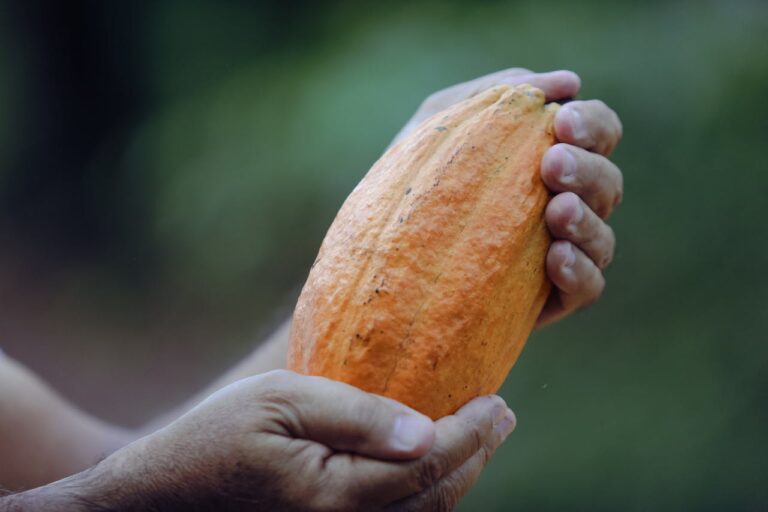
Cacao is the raw, unprocessed form of chocolate. It comes from the seeds of the Theobroma cacao tree, native to Central and South America but widely grown across tropical regions, including the Caribbean. In Jamaica, cacao isn’t just an agricultural product—it’s part of the culture, history, and local economy.

So what exactly is cacao? Once harvested, the cacao pods are split open to reveal white pulp-covered seeds. These seeds are fermented, dried, and then either ground into cacao nibs or processed further into cocoa powder, cocoa butter, or chocolate. Unlike heavily processed chocolate products, raw cacao retains its natural bitterness and high nutrient content.

In Jamaica, cacao has long been used to make traditional cocoa tea—a rich, spiced drink brewed from grated chocolate balls made by grinding fermented cacao beans with spices like nutmeg and cinnamon. This isn’t your sweet hot chocolate; it’s bold, earthy, and often served for breakfast or during the holidays. Some households still hand-roll the cacao into balls themselves, preserving a legacy passed down through generations.

Cacao also plays a role in Jamaica’s small but growing artisanal chocolate industry. Local chocolatiers are putting Jamaican cacao on the map with dark, high-quality bars that highlight the bean’s unique flavor profile—often described as fruity, nutty, or even floral, depending on the terroir.

Beyond its cultural and culinary value, cacao is loaded with health benefits. It’s packed with antioxidants, especially flavonoids, which are linked to reduced inflammation and improved heart health. Cacao also contains magnesium, iron, and potassium, which support muscle function, oxygen transport, and electrolyte balance. It’s a natural mood booster too—thanks to compounds like theobromine and phenylethylamine, which stimulate endorphin release.

Unlike sugary chocolate bars, raw or minimally processed cacao offers these benefits without the downside of added fats and sugars. Still, moderation matters—cacao is potent, and a little goes a long way.

In short, cacao in Jamaica isn’t just about flavor—it’s about tradition, wellness, and potential. From the morning cocoa tea to high-end chocolate exports, cacao continues to be a source of pride and possibility for the island. And with the global push for more natural, nutrient-rich foods, Jamaican cacao is well-positioned to shine.

Max Romeo Reggae Legacy

Max Romeo, born Maxwell Livingston Smith in 1944, was a cornerstone of reggae music, blending sharp social commentary with deep Rastafarian conviction. His work didn’t just ride the rhythms of Jamaica—it challenged systems, uplifted the oppressed, and left a lasting mark on global music.

Romeo’s early career took off with the 1968 hit “Wet Dream,” a provocative track that, despite being banned by the BBC, climbed into the UK Top 10 and stayed on the charts for 25 weeks. But his true legacy lies in his politically charged and spiritually grounded music.

In 1975, he released Revelation Time, a raw and urgent album that delved into themes of injustice and spiritual struggle. This set the stage for his 1976 masterpiece, War Ina Babylon, produced by Lee “Scratch” Perry. The album featured enduring tracks like “One Step Forward” and “Chase the Devil,” the latter of which was sampled by artists such as The Prodigy and Kanye West.

Romeo’s music was deeply intertwined with his political activism. His song “Let the Power Fall” became an anthem for Jamaica’s People’s National Party during the 1972 elections, showcasing his commitment to social change.

After moving to New York in the late ’70s, Romeo continued to innovate, co-writing and starring in the musical Reggae. He remained active in the music scene, and in 2023, he filed a lawsuit against Universal Music Group and PolyGram Records over unpaid royalties for his work, including War Ina Babylon.

In 2023, Romeo announced his retirement from touring, expressing gratitude for his fans and reflecting on a career that spanned over five decades. His influence persists through his children, who continue his musical legacy.

Max Romeo’s voice was a force for truth and resistance. His music remains a powerful testament to the enduring spirit of reggae and its capacity to inspire and challenge.

My All-Time Favorite from Max Romeo

Check this out:

Gregory Isaacs: A Legacy Remembered

0

Gregory Isaacs, known as the “Cool Ruler,” was one of reggae’s most distinctive voices. Born in Kingston, Jamaica in 1951, Isaacs rose to prominence in the 1970s with a smooth vocal style that made lovers rock his signature sound. While his early work spanned roots reggae and politically conscious themes, it was his romantic tracks—like Night Nurse, Love Is Overdue, and Soon Forward—that cemented his global appeal. Over a prolific career, he released more than 50 albums and became a symbol of reggae’s soulful, seductive side.

His life wasn’t without struggle—battles with drug addiction and multiple brushes with the law shadowed his career—but his music always brought him back to the spotlight. When Isaacs passed away in 2010, he left behind a legacy that continues to influence reggae and lovers rock artists worldwide.

Celebrating the Cool Ruler at 75

Now, in 2025, fans and musicians are coming together in London to celebrate what would have been Gregory Isaacs’ 75th birthday. The tribute concert, set to take place at the iconic Royal Albert Hall, features a lineup of reggae legends and new-school voices inspired by Isaacs’ smooth delivery and heartfelt lyrics.

Artists like Freddie McGregor, Maxi Priest, Tarrus Riley, and Etana are slated to perform Isaacs’ classics, backed by The Roots Radics, Isaacs’ longtime band. There will also be archival video tributes, spoken word segments reflecting on his impact, and personal stories from collaborators and family members.

It’s not just a concert—it’s a celebration of reggae history, of a voice that helped shape the genre, and of the enduring power of music to connect generations. Isaacs may be gone, but his sound still breathes.

🔊 Gregory Isaacs Tribute Playlist: “Cool Ruler Vibes”

  1. Night Nurse – The anthem. Sweet and haunting.
  2. Love Is Overdue – One of his early classics.
  3. Soon Forward – Lovers rock royalty.
  4. Rumours – A powerful tune with roots undertones.
  5. Number One – Pure romantic groove.
  6. My Only Lover – Smooth and heartfelt.
  7. Mr. Brown – A little edge, a lot of soul.
  8. All I Have Is Love – Raw early sound.
  9. Private Beach Party – Feel-good track for chillin’.
  10. Front Door – When heartbreak hits cool.
  11. Tune In – Perfect for easy skankin’.
  12. The Border – Political and heavy, but still melodic.
  13. Objection Overruled – A later gem with wisdom.
  14. Stranger in Town – Real emotional depth.

You can find most of these on Spotify, Apple Music, or YouTube—search for “Gregory Isaacs Essentials”

My All-Time Favorite from the Cool Ruler

Check this out:

Beenie Man, Bounty Killer & Buju Banton Shine at 2025 IRAWMA

Beenie Man, Bounty Killer & Buju Banton Mash Up di IRAWMA 2025 inna South Florida

The 42nd annual International Reggae and World Music Awards (IRAWMA) lit up South Florida on March 30, 2025, turning the Coral Springs Center for the Arts into the epicenter of reggae royalty. With legends and newcomers alike walking the red carpet, this year’s ceremony proved once again that reggae’s heartbeat is as strong as ever—and three titans of Jamaican music stole the spotlight.

Buju Banton: Emperor Energy

Buju Banton, a towering figure in reggae, was crowned with the night’s most prestigious honor: The Emperor of Reggae & World Music – Hon. Bob Marley Award for Entertainer of the Year. His unmistakable voice, conscious lyrics, and relentless drive earned him yet another title to cement his legacy. As if that weren’t enough, he also walked away with Best Male DJ/Rapper, proving that even decades into his career, the Gargamel is still setting standards most artists can only aspire to reach.

Buju response upon receiving his award:

“Di music cyaan stale, cyaan water down. Reggae a di voice of di sufferer, di soul of di island. An mi deh yah fi carry it pon mi back same way.”

Beenie Man: King of the Stage

Dancehall’s Doctor, Beenie Man, reminded the world that when it comes to performance, he’s still in a class of his own. He snagged the award for Best Dancehall Stagecraft Entertainer—a fitting tribute to his unmatched energy, choreography, and crowd command. He also took home Best Caribbean Entertainer, flexing his international appeal and ability to keep fans grooving from Kingston to Tokyo.

Beenie Man response:

Mi still deh yah, still tun up, still a di King! Dancehall cyan dead when mi still a prescribe di cure!”

Bounty Killer: Warrior with a Cause

The Warlord, Bounty Killer, came in hot with two major honors. His cross-continental collab “Commando” with Ghanaian dancehall artist Shatta Wale scored him the Best Crossover Song—a perfect example of how dancehall keeps evolving globally. More than just music, Bounty also received the Marcus Garvey Humanitarian Award, recognizing his long-standing commitment to uplifting communities through charity and mentorship. Killer by name, but clearly a healer by action.

Bounty Killer’s response:

“Mi nuh do dis fi likes or hype—mi do dis fi di people! From di ghetto to di globe, mi mission stay di same: uplift, educate, an shell di place wid realness.”

Why South Florida?

Holding IRAWMA in South Florida isn’t just about location—it’s about connection. The region’s vibrant Caribbean diaspora turns out strong every year, reflecting the global spread and influence of reggae and dancehall. With fans flying in and stars showing up in style, the 2025 show was as much a cultural celebration as it was an awards night.

Legacy in Motion

With their victories at IRAWMA 2025, Beenie Man, Bounty Killer, and Buju Banton have not only added new hardware to their trophy cases but have reminded the world of their continued relevance, creativity, and heart. These aren’t just awards—they’re affirmations that these icons are still writing history, still shaping culture, and still flying the reggae flag high.

Now are you ready to hear some of the sounds that made these 3 musical icons a giant in reggae dancehall?

Let’s listen to one of my all-time favorites, by Buju Banton because he is a champion.

Delroy Lindo: Heritage, Integrity, and a Life of Purpose

Delroy Lindo’s story begins with roots in Jamaica, a culture he carries not just in his blood, but in his voice, values, and sense of self. Born in London to Jamaican parents, Lindo grew up watching his mother, a nurse, and his father, a construction worker, build a life in a foreign country while holding tight to their Caribbean identity. That background instilled in him a deep sense of discipline and pride—qualities that have followed him through a decades-long career in film, theater, and television. Lindo has often spoken about how the Jamaican ethos of resilience and hard work shaped him, grounding his success in a strong sense of who he is and where he comes from.

One of his standout roles came in 1992, when he portrayed West Indian Archie in Spike Lee’s Malcolm X. The film was a landmark moment in Black cinema, and Lindo’s performance was unforgettable. As Archie, a numbers runner with a sharp mind and sharper style, Lindo brought to life a man whose friendship with Malcolm X collapses under the weight of mistrust and ego. Their final scene together, raw and gutting, showed Lindo’s talent for portraying pride and pain with subtlety and power. The role was brief but pivotal—it cemented him as a serious actor capable of delivering complexity in just a few scenes.

But what truly sets Delroy Lindo apart isn’t just the roles he’s played—it’s the principles that guide his choices. Lindo has always been vocal about seeking depth in the work he takes on. He avoids characters that feel one-dimensional or stereotypical, and instead gravitates toward stories that say something real. Whether it’s Paul in Da 5 Bloods, the grieving veteran battling ghosts of war and politics, or his work on stage in August Wilson plays, Lindo looks for roles that explore truth, humanity, and history.

His personal philosophy reflects that same focus on integrity. Lindo doesn’t court celebrity. He’s more interested in legacy than limelight. In interviews, he often returns to themes of responsibility—responsibility to represent Black men honestly on screen, to uplift his culture, and to raise his son with intention and love. “I don’t want to lie to the audience,” he once said. For him, acting isn’t just performance—it’s communication. It’s a way to connect, to challenge, and to reflect.

Delroy Lindo lives with a sense of purpose that transcends his profession. He sees life as something to approach with care, awareness, and dignity. Whether he’s on a film set or speaking to students at NYU, where he has taught acting, he brings the same clarity: know who you are, know what matters, and live accordingly.

In an industry that often values flash over substance, Delroy Lindo has built a career—and a life—that speaks softly but carries weight. His Jamaican heritage gave him roots. His choices gave him wings. And his view of life? It’s simple: tell the truth, do the work, and leave something meaningful behind.