Sunday, March 29, 2026
No menu items!
Home Blog Page 37

Out of Many One People

0

Jamaica is a diverse country with a population of approximately 2.8 million people, reflecting a rich cultural and ethnic blend. The racial composition of Jamaica is deeply rooted in its history, shaped by colonization, slavery, and immigration. Here’s an elaboration of the racial makeup, including approximate percentages and historical context:

Ethnic and Racial Composition of Jamaica

  1. People of African Descent (~90-92%)
    • The vast majority of Jamaicans are of African descent, primarily due to the transatlantic slave trade during the 17th to 19th centuries when enslaved Africans were brought to the island to work on sugar plantations.
    • The African heritage is central to Jamaican culture, influencing language (Patois), music (reggae and dancehall), religion (such as Rastafarianism and Revivalism), and food (ackee, saltfish, and jerk cuisine).
  2. Mixed-Race People (~6-7%)
    • Individuals of mixed racial heritage (commonly referred to as “brown” or “coloured”) form a significant part of the population.
    • This group reflects the intermingling of African, European, Indian, Chinese, and other ancestries, which occurred during and after slavery, as colonial societies were racially stratified but still interconnected.
  3. Indo-Jamaicans (~1-2%)
    • Descendants of Indian indentured laborers who came to Jamaica in the 19th century after the abolition of slavery (starting around 1845) to work on plantations.
    • Indo-Jamaicans have contributed significantly to Jamaican culture, particularly through their cuisine (e.g., curry dishes), music, and business presence.
  4. Chinese Jamaicans (~0.2-0.5%)
    • Chinese immigrants arrived in Jamaica during the late 19th and early 20th centuries, also as indentured laborers and later as traders.
    • Today, Chinese Jamaicans are known for their contributions to commerce, cuisine, and Jamaican culture.
  5. European Jamaicans (~0.2%)
    • Descendants of British and other European settlers from the colonial period.
    • While small in number, this group has historically played a role in the island’s governance, education, and economic development.
  6. Syrian and Lebanese Jamaicans (~0.1%)
    • These groups arrived in the late 19th and early 20th centuries, mainly as traders and merchants.
    • They have since integrated into Jamaican society and are well-known for their contributions to business and the economy.
  7. Indigenous Tainos
    • The Tainos were the original inhabitants of Jamaica before European colonization. While they were largely wiped out due to disease, enslavement, and conflict, there is increasing recognition of Taino heritage in Jamaica, and some Jamaicans claim mixed Taino ancestry.

Reflections of Diversity in Culture

Jamaica’s population reflects its history as a colonial hub and a melting pot of cultures:

  • Religion: Christianity is dominant, but influences of African spirituality, Hinduism, and Islam are present, showing the impact of different groups.
  • Festivals: Events like “Emancipation Day” and “Indian Arrival Day” honor the contributions of various ethnic groups.
  • Art and Literature: Jamaican creativity often draws from the shared experiences of its diverse population.

Conclusion

Jamaica’s motto, “Out of Many, One People,” aptly describes this unique blend of ethnicities and cultures. While the majority of Jamaicans are of African descent, the island’s cultural richness comes from the harmonious coexistence of its many ethnic groups, each adding their distinct heritage to the vibrant Jamaican identity.
Chinese Jamaicans Leading the Way

0

The Chinese community in Jamaica has played a significant role in the country’s history and economic development. Several prominent figures of Chinese descent have left lasting impacts on Jamaica in various fields:

Here’s a breakdown of their journey, contribution, and current standing in Jamaica:

Famous Individuals of Chinese Descent in Jamaica

Several prominent figures of Chinese descent have left lasting impacts on Jamaica in various fields:

1. Business and Commerce

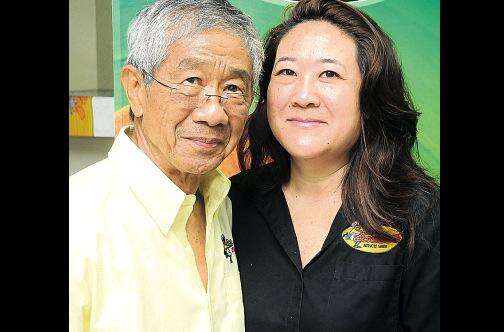
  • Vincent “Vin” Chang: Founder of Tastee Patties, one of Jamaica’s most iconic fast-food brands specializing in patties, a staple in Jamaican cuisine.
  • The Issa Family: Known for their investments in tourism and hospitality, including founding Couples Resorts and contributing significantly to Jamaica’s tourism industry.
  • The Henriques Family: Influential in banking and finance, they played a role in shaping Jamaica’s economic development.

2. Politics and Public Service

  • Rose Leon: A trailblazing politician and entrepreneur. She was the first woman to lead a Jamaican political party (JLP) and served as a minister in both the Jamaica Labour Party and the People’s National Party governments.
  • Gladstone Chang: Renowned economist and philanthropist.

3. Arts and Entertainment

  • Lorna Goodison: An acclaimed poet and writer of Chinese and African heritage. Goodison is a former Jamaican Poet Laureate and a winner of international literary awards.
  • Neville “Chi” Cheung: A musician who contributed to the development of Jamaican reggae and ska.

4. Sports

  • Michael Lee-Chin: Although best known for his business achievements, Lee-Chin is also a patron of sports and cultural initiatives, supporting Jamaican athletics on a global stage.

5. Media and Entertainment

  • Oliver Samuels: While not of Chinese descent himself, he popularized characters based on Jamaican-Chinese shopkeepers in comedic sketches, reflecting their cultural significance in local life.

Part II – Cornmeal Porridge, Its signifiance In Jamaica

0

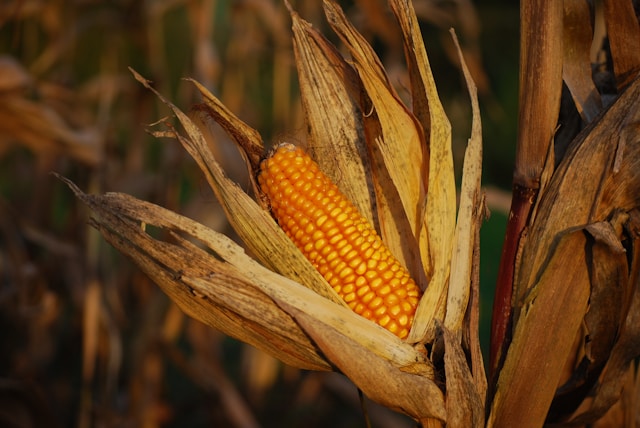
Cornmeal porridge is not only a dietary treat, but it also adds psychology value to the Jamaican community. Here are a few note worthy items of value.

A Taste of Tradition: Cornmeal porridge has deep roots in Jamaican culture, tracing back to African culinary traditions brought by enslaved Africans. It is a symbol of resilience, resourcefulness, and cultural continuity.

  1. Family Bonding: The preparation and sharing of cornmeal porridge often bring families together. It’s one of the first solid foods introduced to Jamaican children, forming a nostalgic connection for many adults.
  2. Rural and Urban Staple: Whether in rural communities or urban areas, cornmeal porridge remains a breakfast classic, loved for its simplicity and adaptability.
  3. A Dish of Love: In Jamaican households, making porridge is considered an act of care and love, especially for children or the elderly. It is often associated with nurturing and comfort.
  4. Ritualistic Value: In Rastafarian communities, cornmeal porridge, often made with plant-based ingredients, aligns with the Ital diet, emphasizing natural and wholesome foods.

Variations of Corn Meal Porridge

Porridge has become such a staple in our daily lives so much that we have created numerous ways in which to indulge in this creamy breakfast treat.Here are a few additional ways to enjoy this old time favorite dish.

  1. Sweet Coconut Cornmeal Porridge:
    • Replace some or all of the water with coconut milk for a creamier, richer taste.
    • Sweeten with brown sugar or condensed milk, and add grated coconut for texture.
  2. Plant-Based Option:
    • Use almond milk, soy milk, or oat milk instead of regular milk.
    • Sweeten with maple syrup or agave for a vegan twist.
  3. Spiced Banana Cornmeal Porridge:
    • Add mashed ripe bananas while cooking for natural sweetness and a fruity flavor.
    • Enhance with a pinch of allspice or a drizzle of honey.
  4. Pumpkin Cornmeal Porridge:
    • Blend cooked pumpkin into the mixture for added nutrients and a vibrant color.
    • Add a touch of ginger for a warming kick.
  5. Nutty Cornmeal Porridge:
    • Stir in ground nuts (e.g., peanuts, almonds) or a dollop of peanut butter for extra protein and richness.
  6. Jamaican Rum-Twist Porridge (for adults):
    • Add a splash of Jamaican rum and raisins for a decadent twist.
  7. Festive Spices:
    • Incorporate cloves, cardamom, or star anise for a holiday-like aroma.