Friday, April 3, 2026
No menu items!
Home Blog Page 11

How to Make a Sorrel Drink Like a Pro

0

Ready to make your own bat:ch of this Caribbean classic Sorrel drink? Here’s a simple recipe to get you started.

Ingredients: Sorrel Drink

  • 2 cups dried sorrel (hibiscus petals)
  • 1-inch piece of fresh ginger, grated
  • 6 cups water
  • 3-4 cloves
  • 1 cinnamon stick (optional but recommended)
  • 1-2 cups sugar (sweeten to taste)
  • Juice of 1 lime (optional)
  • A splash of rum (totally up to you)

Directions:

  1. Boil it up: In a large pot, bring the water to a boil. Add the dried sorrel, ginger, cloves, and cinnamon stick.
  2. Let it steep: Turn off the heat, cover the pot, and let everything steep for at least 2 hours. For the best flavor, let it sit overnight.
  3. Sweeten and strain: Strain out the solids, then stir in sugar and lime juice to taste. If you’re feeling fancy, add that splash of rum.
  4. Chill and serve: Let it cool completely, then pour it over ice and enjoy!

Final Thoughts

Sorrel isn’t just a drink—it’s a whole experience. It’s a taste of the Caribbean, a sip of nostalgia, and the perfect drink for any occasion. Plus, with all these health benefits, you can feel even better about drinking it. Try it out, and trust me, you’ll be hooked. Cheers!

The Magic of Sorrel: The Caribbean’s Favorite Drink

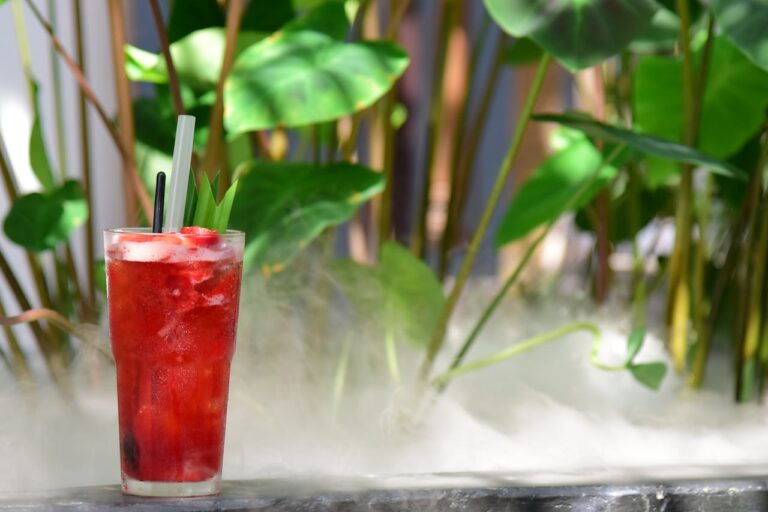
Alright, let’s talk about Sorrel, the drink, not the plant. Well, technically it is the plant, but we’re here for the good stuff—THE DRINK. If you’ve never had sorrel before, you’re seriously missing out on one of the best things to ever come out of the Caribbean (besides reggae and jerk chicken, of course). This ruby-red, tangy, spiced-up goodness is the holiday drink of choice, but honestly, you can sip on it year-round because it’s just that good.

So, What Exactly Is Sorrel?

Sorrel is a refreshing, slightly tart, and deeply flavorful drink made from dried hibiscus petals (yeah, that’s what sorrel really is), sweetened with sugar, and jazzed up with ginger, cloves, and sometimes a little rum (because why not?). Think of it as Jamaica’s answer to cranberry juice but way better.

Why Should You Care?

Apart from tasting amazing, sorrel is actually packed with vitamin C and antioxidants, which basically means you can pretend it’s a health drink while you sip. But wait—there’s more!

  • Boosts Immunity: Thanks to its high vitamin C content, sorrel helps strengthen your immune system and fight off colds.
  • Lowers Blood Pressure: Studies suggest that hibiscus can help reduce high blood pressure, making it a heart-friendly drink.
  • Aids Digestion: The natural acids in sorrel support digestion and may help with bloating.
  • Anti-Inflammatory Properties: Sorrel contains compounds that can help reduce inflammation in the body.
  • Supports Liver Health: Some research indicates that sorrel may help detoxify the liver and improve overall liver function.

So yeah, not only does sorrel taste amazing, but it also comes with a ton of health perks.

A Jamaican Christmas: A Festive Celebration Like No Other

0

Christmas is celebrated worldwide, but every culture has its own unique traditions that make the holiday season special. In Jamaica, Christmas is more than just a holiday—it’s an experience filled with vibrant music, delicious food, and a warm sense of community. Unlike the snowy scenes often associated with Christmas in Western countries, a Jamaican Christmas is all about sunshine, reggae rhythms, and an island-style festive spirit. Here’s what makes Christmas in Jamaica different from most other cultures:

1. Grand Market: The Ultimate Christmas Eve Tradition

One of the most anticipated events of the season is the Grand Market, a lively street fair held in towns and cities across Jamaica on Christmas Eve. Vendors set up stalls selling everything from toys and clothes to festive decorations and tasty street food. Families and friends take to the streets, enjoying the lively atmosphere, shopping, and dancing to the sounds of reggae and dancehall music. It’s a cultural event that captures the true spirit of a Jamaican Christmas—joyful, communal, and full of energy.

2. Jamaican Christmas Cuisine

Food plays a central role in any Jamaican celebration, and Christmas is no exception. While many cultures enjoy turkey and stuffing, Jamaicans indulge in a feast that includes curried goat, roasted chicken, and baked ham with pineapple glaze. But the real highlights are the traditional Christmas treats:

  • Sorrel Drink – A festive beverage made from dried hibiscus petals, ginger, cloves, and pimento, often mixed with rum for an extra kick.
  • Jamaican Christmas Cake – A rich, dark fruitcake soaked in rum or red wine, made with raisins, prunes, cherries, and a blend of aromatic spices.
  • Gungo peas and rice – A seasonal variation of the popular rice and peas dish, using pigeon peas for a distinctive holiday touch.

3. Christmas Carols with a Reggae Twist

While classic carols like “Silent Night” and “Hark! The Herald Angels Sing” are beloved in Jamaica, they often come with a unique twist. Many Jamaican artists have released reggae versions of these holiday favorites, creating a sound that is unmistakably island-style. Popular local Christmas songs, like The Heptones’ “Christmas Time is Here” and Jacob Miller’s “On the Twelve Days of Christmas,” bring a reggae groove to the season and make holiday celebrations even more lively.

4. Jonkonnu: A Tradition Rooted in History

One of the most fascinating aspects of a Jamaican Christmas is Jonkonnu, a street parade featuring dancers in colorful costumes and masks. This tradition dates back to the days of slavery when enslaved Africans were given a short break during Christmas and used the time to celebrate their heritage. Today, Jonkonnu remains a vibrant part of Jamaican Christmas celebrations, with costumed performers dancing through the streets to drumbeats and folk music.

5. Church Services and Community Spirit

Like many cultures, Jamaicans emphasize the religious significance of Christmas. Attending church services, especially the midnight Mass on Christmas Eve, is an important tradition. Churches are beautifully decorated, and congregations sing hymns with enthusiasm. Beyond religious observances, Christmas in Jamaica is a time for giving back—many communities organize charitable events, providing food and gifts for the less fortunate, reinforcing the strong communal bonds that define Jamaican culture.

6. Christmas Day Beach Celebrations

Instead of gathering around a fireplace, many Jamaicans celebrate Christmas on the beach! Families and friends pack picnic baskets, bring their music, and spend the day enjoying the sand, sea, and sunshine. It’s a unique contrast to the cold and snow that characterize Christmas in many parts of the world.

Conclusion: A Celebration Like No Other

Jamaican Christmas is a vibrant mix of African heritage, European influences, and the island’s unique cultural expressions. From the pulsating beats of reggae Christmas songs to the mouthwatering flavors of traditional dishes, the season is a time of togetherness, joy, and festive energy. Whether it’s the Grand Market’s lively atmosphere, the rich traditions of Jonkonnu, or simply celebrating under the warm Caribbean sun, Christmas in Jamaica is truly unlike any other in the world.

A Day in the Life of You, My Jamaican People

0

Jamaica—land of wood and water, the heartbeat of the Caribbean, and home to some of the most vibrant, resilient, and culturally rich people in the world. Every day on this island tells a story of passion, perseverance, and a deep-rooted love for life that’s often filled with our own special sets of routines.

The Spirit of Jamaica Lives On

A day in the life of a Jamaican is more than just routine—it is a rhythmic blend of hard work, joy, and an unwavering sense of pride. It’s about resilience in the face of struggles, about savoring the little moments, and about carrying the island’s infectious spirit wherever life takes us.

But wait, this is just my take on a day in the life of a Jamaican! Now, I want to hear from YOU. What does your day look like? What makes you stand out as a Jamaican? How do you bring that yaad energy to your community, whether at home or abroad? Have you accomplished something recently that makes you proud to represent Jamaica? Let’s celebrate our culture, our vibes, and our achievements together. Drop a comment, share your story, and let’s keep the conversation going! One love, my Jamaican people!

10 Reasons to Make Negril Your First Stop in Jamaica

0

If you’re planning a trip to Jamaica, Negril should be at the top of your list. This laid-back paradise is known for its stunning beaches, breathtaking cliffs, and vibrant culture. Whether you’re a thrill-seeker, a beach lover, or a foodie, Negril has something for everyone. Here are 10 reasons why Negril should be your first stop in Jamaica.

1. Seven Mile Beach – A Tropical Dream

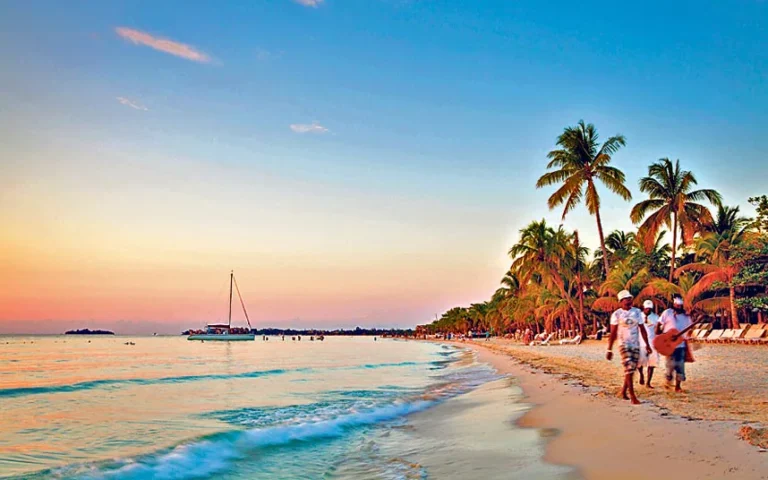
Negril’s world-famous Seven Mile Beach is one of the most beautiful stretches of sand in the Caribbean. With its soft white sand and crystal-clear turquoise waters, it’s the perfect place to relax, soak up the sun, and take a dip in the warm Caribbean Sea.

2. Unmatched Sunsets

The sunsets in Negril are truly magical. Whether you’re watching from the beach, a cliffside bar, or a boat, the vibrant hues of orange, pink, and purple create a breathtaking scene that will leave you in awe.

3. Rick’s Café – The Ultimate Cliffside Hangout

No trip to Negril is complete without a visit to Rick’s Café. Perched on the cliffs, this iconic spot offers delicious food, refreshing cocktails, live music, and the ultimate adrenaline rush—cliff jumping into the deep blue sea below.

4. Laid-Back Vibes and Friendly Locals

Negril is famous for its chill atmosphere and friendly people. Unlike the bustling cities, Negril moves at a slower pace, allowing you to truly relax and immerse yourself in the island’s laid-back lifestyle.

5. Incredible Snorkeling and Diving

The waters around Negril are home to vibrant coral reefs and marine life. Whether you’re snorkeling or diving, you’ll have the chance to see tropical fish, sea turtles, and even dolphins. Some of the best spots include Booby Cay and the Negril Coral Reef.

6. Authentic Jamaican Cuisine

Food lovers will be in heaven in Negril. From roadside jerk chicken stands to beachside seafood shacks, the flavors of Jamaica are everywhere. Don’t miss out on trying fresh lobster, ackee and saltfish, and of course, a plate of spicy jerk chicken.

7. Perfect for Adventure Seekers

For those looking for adventure, Negril has plenty to offer. Try zip-lining through lush jungles, exploring hidden caves, or taking a horseback ride along the beach. If you’re up for a real thrill, cliff diving at Rick’s Café is a must.

8. Lively Nightlife and Reggae Vibes

Negril comes alive at night with its beach bars and reggae music. Dance the night away at Alfred’s Ocean Palace, catch a live reggae performance at Bourbon Beach, or simply enjoy a bonfire on the sand with a rum cocktail in hand.

9. Day Trips to Hidden Gems

Negril is the perfect base for exploring nearby attractions. Take a day trip to the stunning Mayfield Falls, visit the famous Blue Hole Mineral Spring, or cruise along the Black River to see crocodiles in their natural habitat.

10. A Destination for All Budgets

Whether you’re a luxury traveler or backpacking on a budget, Negril has accommodations and activities for everyone. From all-inclusive resorts to cozy beach bungalows, you’ll find a place that fits your style and budget.

Conclusion

Negril is more than just a beach destination; it’s an experience that captures the heart and soul of Jamaica. Whether you want to relax, explore, or party, Negril has it all. So, pack your bags, grab your sunglasses, and make Negril your first stop in Jamaica—you won’t regret it!

How to Make Jamaican Black Rum Cake

Making Jamaican Black Rum Cake requires patience and preparation, as the dried fruits are traditionally soaked in rum and wine for several weeks or even months. However, the result is well worth the wait.

Ingredients:

For the Fruit Mixture:

  • 1 cup raisins
  • 1 cup prunes, chopped
  • 1 cup currants
  • 1 cup mixed dried fruits (cherries, pineapple, etc.)
  • 1 cup dark rum
  • 1 cup red wine

For the Cake Batter:

  • 2 cups all-purpose flour
  • 1 teaspoon baking powder
  • 1/2 teaspoon salt
  • 2 teaspoons cinnamon
  • 1/2 teaspoon nutmeg
  • 1/2 teaspoon allspice
  • 1 cup unsalted butter, softened
  • 1 1/2 cups brown sugar
  • 5 eggs
  • 1 teaspoon vanilla extract
  • 1 teaspoon almond extract
  • Zest of 1 lime
  • 1/4 cup molasses or browning sauce (for color)
  • 1/2 cup chopped almonds (optional)

For the Rum Syrup:

  • 1/2 cup dark rum
  • 1/4 cup red wine
  • 1/4 cup sugar (optional)

Instructions:

Step 1: Prepare the Fruit Mixture

  1. In a large bowl, combine the raisins, prunes, currants, and mixed dried fruits.
  2. Pour the dark rum and red wine over the fruits and mix well.
  3. Transfer to an airtight container and let soak for at least one week (or up to several months for a deeper flavor).

Step 2: Make the Cake Batter

  1. Preheat your oven to 325°F (163°C). Grease and line a cake pan with parchment paper.
  2. In a medium bowl, sift together the flour, baking powder, salt, cinnamon, nutmeg, and allspice.
  3. In a large mixing bowl, cream the butter and brown sugar until light and fluffy.
  4. Add eggs one at a time, mixing well after each addition.
  5. Stir in the vanilla extract, almond extract, and lime zest.
  6. Gradually fold in the sifted dry ingredients until well combined.
  7. Blend the soaked fruit mixture into the batter along with the molasses or browning sauce. If using, fold in the chopped almonds.

Step 3: Bake the Cake

  1. Pour the batter into the prepared cake pan and smooth the top.
  2. Bake for about 1.5 to 2 hours, or until a skewer inserted into the center comes out clean.
  3. Remove from the oven and let cool in the pan for 15 minutes before transferring to a wire rack.

Step 4: Add the Rum Syrup

  1. In a small bowl, mix the rum and wine together (add sugar if a sweeter glaze is preferred).
  2. Brush the cake with the rum mixture while it is still warm.
  3. For a richer flavor, continue to brush the cake with rum over several days before serving.

Enjoying Jamaican Black Rum Cake

Once the cake has absorbed the rum syrup, it’s ready to be served! Many Jamaicans enjoy it with a side of sorrel, a spiced hibiscus drink traditionally served during the holidays. The combination of deep, boozy flavors and warm spices makes this cake an unforgettable Christmas delight.

Whether you’re making it for the first time or continuing a family tradition, Jamaican Black Rum Cake is a must-have for the holiday season. With its rich history and unforgettable taste, Christmas is never truly the same without it.

Christmas is Never the Same Without a Black Rum Cake

0

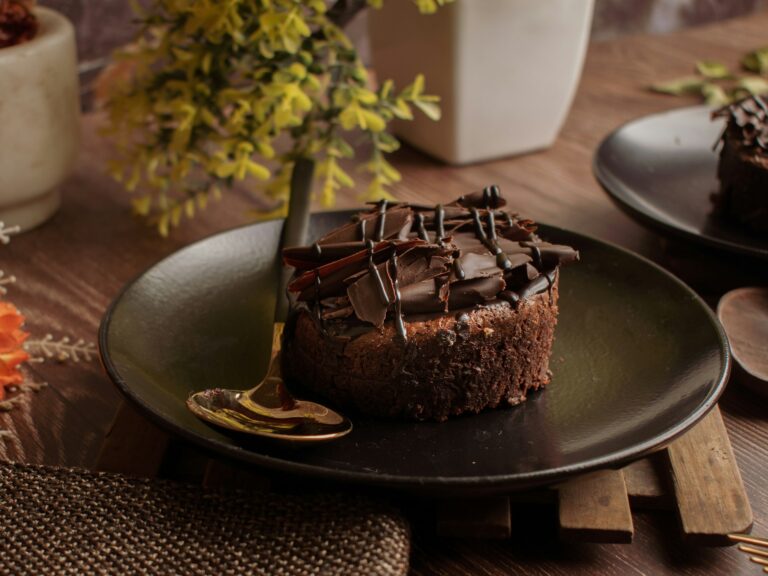
Christmas is a time for togetherness, joy, and, most importantly, indulging in delicious traditional foods that bring back cherished memories. In Jamaica, no Christmas celebration is complete without the rich, aromatic, and decadent Jamaican Black Rum Cake. This cake is more than just a dessert—it’s a cultural experience, a labor of love, and a symbol of the island’s deep-rooted traditions.

The History of Jamaican Black Rum Cake

Jamaican Black Rum Cake, also known as Christmas Cake or Fruit Cake, has its origins in British colonization. The cake is a descendant of the British plum pudding, a staple in English holiday traditions. However, Jamaicans put their own spin on it by incorporating local ingredients and, most importantly, soaking the dried fruits in rum for months to enhance the flavor.

Jamaica is world-renowned for its rum, a product of the island’s sugarcane industry that dates back to the 17th century. The use of rum in Black Cake is a nod to the island’s rich history, blending African, European, and Caribbean influences into a singularly delicious treat. Today, this cake is a centerpiece at Christmas gatherings, a sign of love and generosity often given as gifts to family and friends.

Ten Of The Most Influential People in Jamaican Sports

Jamaica, a nation renowned for its vibrant culture and musical heritage, has also made an indelible mark on the global sports stage. From the blistering speed of its sprinters to the strategic prowess of its cricketers, Jamaican athletes have consistently showcased excellence and resilience. Here are ten of the most influential figures who have shaped Jamaica’s sports arena:

1.Usain Bolt

Dubbed the “Lightning Bolt,” Usain Bolt is widely regarded as the greatest sprinter of all time. He holds world records in both the 100 meters (9.58 seconds) and 200 meters (19.19 seconds), achievements that have solidified his status as a global icon. Bolt’s charismatic personality and unparalleled speed have not only elevated Jamaican athletics but have also inspired a new generation of sprinters worldwide.

Famous People

2. Merlene Ottey

Merlene Ottey’s illustrious career spanned over three decades, during which she amassed nine Olympic medals, making her one of the most decorated female sprinters in history. Her longevity and consistent performances have left an enduring legacy in track and field.

jamaicaexperiences.com

3. Shelly-Ann Fraser-Pryce

Affectionately known as the “Pocket Rocket,” Shelly-Ann Fraser-Pryce has dominated women’s sprinting since her emergence on the global scene. With multiple Olympic and World Championship titles, she continues to defy age and expectations, recently showcasing her competitiveness at local sports events.

talksport.com

4. Veronica Campbell-Brown

A seven-time Olympic medalist, Veronica Campbell-Brown is celebrated for her exceptional performances in the 200 meters. She is one of only two women to win consecutive Olympic gold medals in this event, achieving this feat in 2004 and 2008.

jamaicaexperiences.com

5. Asafa Powell

Asafa Powell, a former 100 meters world record holder, has been a cornerstone of Jamaican sprinting. Known for his consistent sub-10-second performances, Powell’s contributions have been pivotal in establishing Jamaica’s dominance in sprinting events.

jamaicaexperiences.com

6. Herb McKenley

Herb McKenley was a trailblazer in Jamaican athletics, excelling in both the 400 meters and 800 meters. His versatility and dedication paved the way for future generations of Jamaican athletes.

ding.com

7. Courtney Walsh

In the realm of cricket, Courtney Walsh stands tall as one of the game’s legendary fast bowlers. Captaining the West Indies team, Walsh’s relentless work ethic and sportsmanship have left an indelible mark on international cricket.

ranker.com

8. Chris Gayle

Chris Gayle, known for his explosive batting style, has been a dominant force in international cricket. His ability to change the course of a game with his powerful hitting has made him a fan favorite worldwide.

ranker.com

9. Michael Holding

Nicknamed “Whispering Death” for his smooth and silent run-up, Michael Holding is regarded as one of the greatest fast bowlers in cricket history. Post-retirement, he has become a respected commentator, offering insightful analysis of the game.

ranker.com

10. Alia Atkinson

Alia Atkinson has made significant strides in swimming, a sport less traditionally associated with Jamaica. She became the first black woman to win a world swimming title, breaking barriers and setting records in breaststroke events.

ranker.com

These athletes have not only brought glory to Jamaica but have also served as inspirations, demonstrating that with talent, hard work, and determination, one can achieve greatness on the world stage.

Recent Highlights in Jamaican Athletics

talksport.com

Olympic sprint legend smoked parents at sports day after one tried to ‘psych her out’

5 days ago

Olympic sprint legend smoked parents at sports day after one tried to 'psych her out'

talksport.comUsain Bolt reveals how ‘politics’ denied him chance of announcing himself on world stage as 17-year-old3 days ago

William Knibb: The Scottish Missionary Who Fought for Emancipation in Jamaica

William Knibb (1803–1845) was a Scottish Baptist missionary and a leading advocate for the abolition of slavery in Jamaica. His relentless efforts in fighting for the rights of enslaved people made him one of the most influential figures in Jamaica’s history. Knibb dedicated his life to spreading Christianity, promoting education, and challenging the oppressive system of slavery.

Early Life and Missionary Work

Born in Kettering, England, to Scottish parents, William Knibb was raised in a deeply religious family. He became a Baptist preacher and, at the age of 21, was sent to Jamaica in 1824 as a missionary. His primary role was to teach and spread Christianity among the enslaved population. However, he quickly became horrified by the brutality of slavery on the island and committed himself to its abolition.

A Fierce Abolitionist

Knibb did not merely preach the gospel—he became a fearless advocate for the enslaved people of Jamaica. He openly condemned the abuses of slavery, exposing the inhumane treatment that was widespread on plantations. This activism put him at odds with the powerful plantation owners, who saw him as a dangerous threat to their interests.

During the Baptist War (also known as the Christmas Rebellion) of 1831–1832, Knibb was accused of inciting the enslaved population to revolt. Although there was no evidence against him, he was arrested and imprisoned for several weeks. His church was burned down, and he faced constant threats from the planter class.

After his release, Knibb traveled to Britain, where he became a leading voice in the anti-slavery movement. He gave passionate speeches about the horrors of slavery, helping to convince the British public and politicians of the need for immediate emancipation. His efforts played a crucial role in the passing of the Slavery Abolition Act of 1833, which led to the end of slavery across the British Empire, including Jamaica.

Post-Emancipation Work in Jamaica

After emancipation in 1834, Knibb continued his mission in Jamaica, ensuring that formerly enslaved people had access to education and opportunities for self-sufficiency. He established schools and churches, helping to uplift the newly freed population. He also worked to secure land for former slaves so they could build independent communities.

Knibb’s influence extended beyond religion—he was a champion of human rights and social justice, believing that true freedom could only be achieved through education and economic empowerment.

Legacy and Recognition

William Knibb died in 1845 at the age of 42, but his impact on Jamaica was profound. In recognition of his contributions, he was posthumously honored as a Jamaican National Hero, becoming the only white person to receive this title. Schools, churches, and streets in Jamaica bear his name, ensuring that his legacy as a freedom fighter lives on.

His life’s work remains a testament to the power of faith, courage, and moral conviction in the fight against injustice.

Making Waves in Global Fashion

0
https://iriediva.com/wp-content/uploads/2013/07/946693_516630581749760_1429355555_n.jpg
https://i.pinimg.com/originals/cf/b1/1b/cfb11b44df96b1d8fcf65bda43db2bad.png
https://www.caribmagplus.com/wp-content/uploads/2021/06/IMG_7450.jpg
https://iriediva.com/wp-content/uploads/2015/05/DSC0291.jpg

Jamaican fashion designers are making significant strides in the global fashion industry, infusing their work with the rich cultural heritage and vibrant spirit of the Caribbean. Their innovative designs and commitment to craftsmanship are elevating Jamaican fashion to new heights.

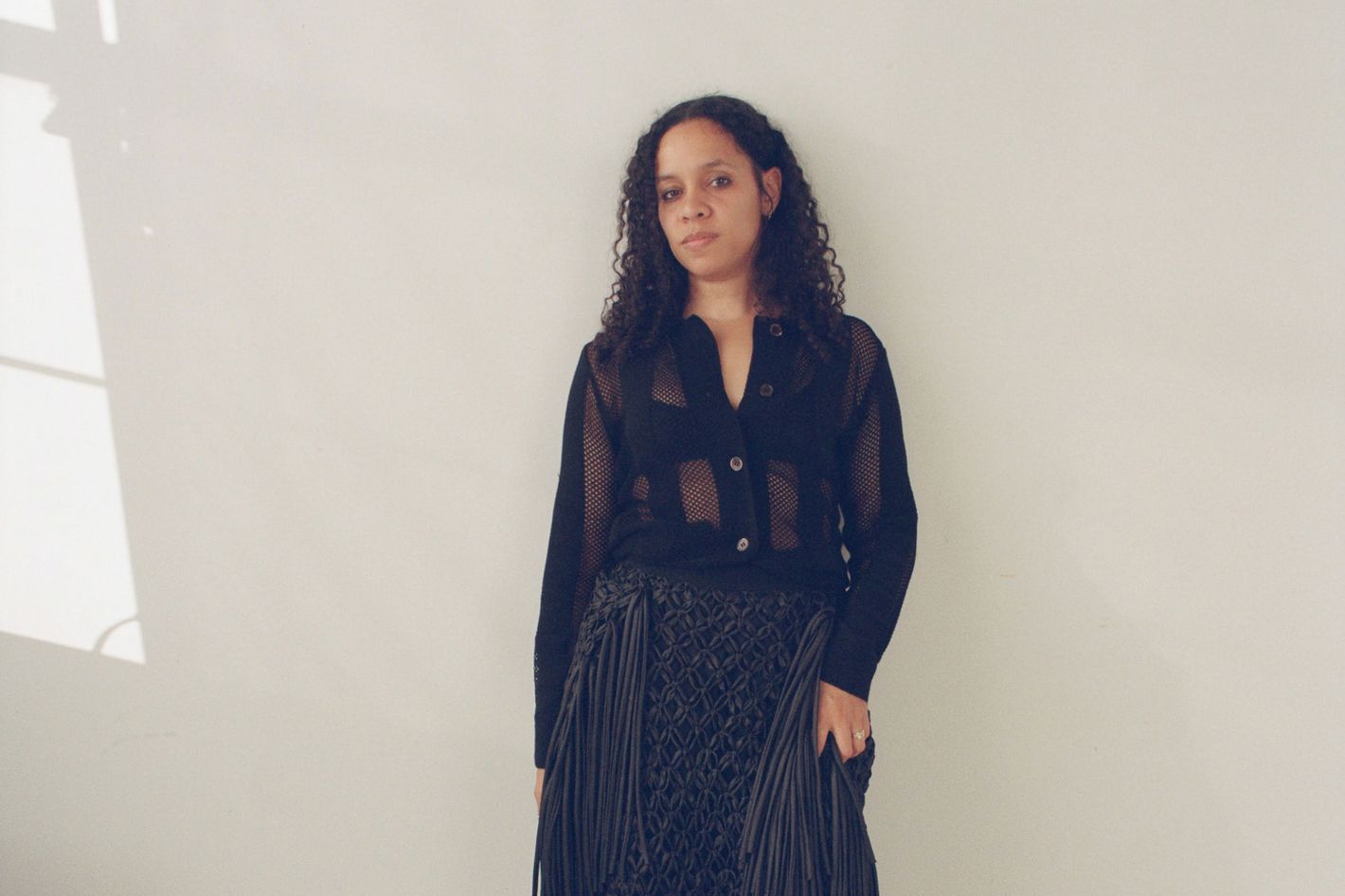
One such trailblazer is Rachel Scott, the founder of Diotima. Growing up in Jamaica, Scott’s childhood was filled with outdoor adventures and creativity, shaping her unique perspective in fashion. She launched Diotima during the pandemic, focusing on crochet dresses and imaginative materials like oyster shell-inspired paillettes. Scott’s work reflects a profound reverence for history and craftsmanship, combining sensuality with strength and playing with contradictions in her designs. Her collections subtly convey the essence of Jamaica, offering a refreshed, nuanced narrative. Scott’s dedication to integrating Caribbean artistry and addressing systemic inequities in the global fashion industry has garnered significant recognition, including being named American Womenswear Designer of the Year by the Council of Fashion Designers of America.

Another notable designer is Naecia Dixon from Kingston, Jamaica. Dixon was awarded the prestigious FSF $25,000 Grand Prize Scholarship for her ingenious digital case study, “Radical Fundamentals.” Her work exemplifies the innovative spirit of Jamaican designers, blending traditional elements with contemporary aesthetics to create unique fashion statements.

Lubica Kucerova, though originally from Slovakia, has made a significant impact on Jamaican fashion. After moving to Jamaica, she founded her self-titled fashion line, Lubica, which includes bikinis and contemporary women’s wear inspired by the tropics. Kucerova’s designs are celebrated for their vibrant colors and sophisticated style, contributing to the evolution of Caribbean fashion.

These designers, among others, are redefining the fashion landscape by bringing Jamaican culture and craftsmanship to the forefront of the industry. Their work not only showcases the island’s rich heritage but also demonstrates how Jamaican fashion is taking design to another level on the global stage.

The Designer Bringing Jamaica to the Fashion World's Attention